
In Canada, the cost of braces typically ranges from $3,000 to $8,000, depending on the type of braces or orthodontics, treatment complexity, and duration. Many patients are surprised by this range and unsure why orthodontic treatment costs vary so widely or what options exist to make braces more affordable.
In this article, we’ll break down average brace costs across Canada, explain what influences pricing, compare braces with Invisalign, review insurance and CDCP coverage, and share practical ways to manage orthodontic expenses.
Average Cost of Braces in Canada
Orthodontic treatment costs in Canada vary by brace type and treatment goals. Prices usually include consultations, appliances, adjustments, and follow-up visits during treatment.
Typical Price Ranges by Brace Type
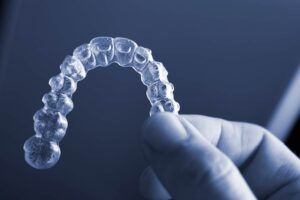
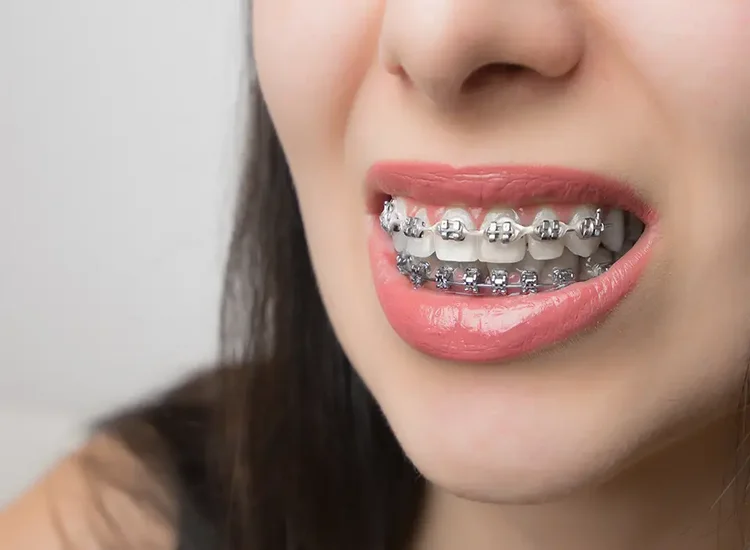
Traditional metal braces are generally the most affordable option, typically ranging from $3,000 to $5,500. Ceramic braces, which are less noticeable, usually cost between $4,000 and $6,500. Lingual braces, placed behind the teeth, are the most discreet but also the most expensive, often ranging from $6,500 to $8,000. Clear aligners such as Invisalign commonly fall between $4,000 and $7,500, depending on complexity and duration.
These costs reflect national averages and may vary slightly by province and clinic.

Read more: Am I too old for braces?
What Factors Affect the Cost of Braces
Several factors influence how much you’ll pay for braces. The severity of misalignment, bite issues, and jaw positioning all impact treatment complexity and length. Longer treatment durations require more appointments and adjustments, increasing overall cost. The orthodontist’s experience, clinic location, and the type of technology used, such as digital scans or 3D planning, also affect pricing.
In some cases, patients require additional care before or during orthodontic treatment, such as dental fillings, tooth extractions, or gum disease treatment, which can add to the total investment but are essential for long-term oral health.

Here is also what the Hellodent website says about the additional costs and cost factors:
“These complexities can lead to higher treatment costs. In cases where the dental arch is too narrow or there is crowding of teeth, orthodontists use palate expanders to gradually widen the upper jaw. These devices create adequate space for aligning teeth properly, and they require regular adjustments.
“
Cost Differences Between Braces and Invisalign
Braces and Invisalign often fall within a similar price range, but their costs are influenced by different factors. Braces are typically more cost-effective for complex bite corrections, severe crowding, or jaw alignment issues. Invisalign and other clear braces may cost more when many refinements or longer treatment times are needed.
Patients often pick Invisalign for the convenience and the look. But those reasons don’t decide your treatment, and neither does cost. Invisalign fits some cases and not others, so candidacy is the first gate. You should qualify first, then everything else follows. Our free Invisalign candidacy quiz can give you a fast, useful pre-approval
Read more: Invisalign vs. Braces
Does Dental Insurance or CDCP Cover Braces in Canada?
Private dental insurance often covers a portion of orthodontic treatment, usually between $1,500 and $3,000, with lifetime maximums and age limits. Coverage is more common for teens than adults, though some plans include adult orthodontics.
The Canadian Dental Care Plan (CDCP) does not cover braces and cosmetic orthodontic treatment.
Thinking About Braces But Unsure About The Cost?
Book an orthodontic consultation at Wilson East Dental Care to receive a personalized treatment plan and clear pricing options.
Schedule your visit online today.
Ways to Make Braces More Affordable
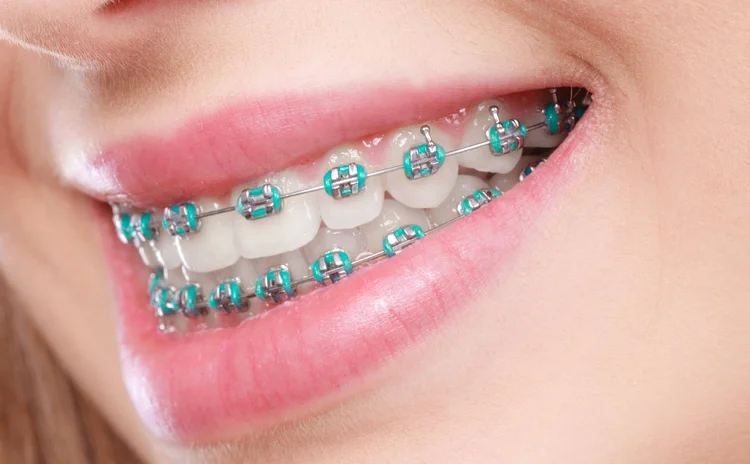
Many clinics offer flexible payment plans that allow patients to spread the cost over monthly installments. Some orthodontic practices also provide family discounts when multiple children undergo treatment. Choosing traditional braces instead of aesthetic options can significantly reduce costs.
Early orthodontic evaluations can also help identify issues before they become more complex, potentially shortening treatment time and lowering overall cost. Maintaining excellent oral hygiene during treatment helps avoid delays caused by cavities or gum issues that could increase expenses.
Start Planning Treatment With Braces Cost in Canada
Braces in Canada typically cost between $3,000 and $8,000, depending on brace type, treatment complexity, and duration. While the investment can feel significant, orthodontic treatment offers long-term benefits for oral health, function, and confidence.
At Wilson East Dental Care, we work closely with patients and families to explore orthodontic options, coordinate care, and discuss flexible payment solutions. Whether you’re considering braces for yourself or your child, our team can help you understand costs clearly and plan treatment with confidence.
FAQ
-
What is the cheapest type of braces in Canada?
Traditional metal braces are usually the most affordable option.
-
Are braces more expensive for adults than for teens?
Costs are often similar, but adults may have more complex cases, which can increase treatment time.
-
Does insurance cover part of the cost of braces?
Many private plans cover a portion of orthodontic treatment, but coverage limits and age restrictions apply.
Are you considering braces for yourself or your child?
Share your questions or concerns below