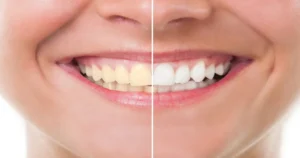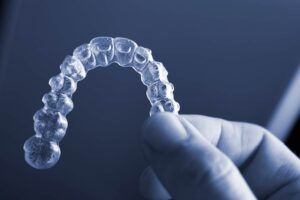

Invisalign vs. Braces: The battle between these clear aligners and traditional metal brackets has changed the way people approach teeth straightening. Invisalign offers a nearly invisible, removable, and comfortable cosmetic alternative, making it a preferred choice for many. But is it the right choice for you? Let’s break it down.
Invisalign vs. Traditional Braces: Key Differences
When deciding between Invisalign and traditional braces, it’s essential to understand their differences. Here’s a breakdown:
| Feature | Invisalign | Traditional Braces |
| Visibility | Clear and nearly invisible | Metal brackets and wires are noticeable |
| Comfort | Smooth plastic aligners, no sharp edges | Can cause irritation from brackets and wires |
| Removability | Can be removed for eating and cleaning | Fixed onto teeth until treatment is completed |
| Oral Hygiene | Easy to brush and floss normally | Requires special tools to clean around brackets |
| Diet Restrictions | No food restrictions | Avoid sticky, hard, or chewy foods |
| Treatment Time | 12-18 months on average | 18-24 months on average |
| Check-ups | Fewer visits (every 6-8 weeks) | Regular visits (every 4-6 weeks) |
According to an article, Invisalign’s SmartTrack material helps move teeth more predictably than traditional aligners, ensuring better results in less time! While traditional braces have been around for decades, Invisalign is becoming the go-to choice for those who prioritize aesthetics, comfort, and flexibility.
Need Straighter Teeth Without the Hassle? Call Us!
If you’re ready to transform your smile with Invisalign, Wilson East Dental Care is here to help! Schedule a consultation today and take the first step toward a confident, healthy smile. Call us now!
How Invisalign Improves Oral Hygiene During Treatment
One of the biggest advantages of Invisalign over braces is the ability to maintain better oral hygiene. Since Invisalign aligners are removable, you can brush and floss normally, reducing the risk of plaque buildup and cavities. Traditional braces, on the other hand, require extra care with special floss threaders and brushes to clean around the brackets and wires.

Many patients with traditional braces experience enamel staining, bad breath, or even gum inflammation due to trapped food particles. With Invisalign, maintaining a clean and healthy smile is much easier.
Lifestyle Benefits: Eating, Speaking, and Social Confidence
Unlike braces, Invisalign offers more flexibility when it comes to daily activities. Here’s how it affects everyday life:
| Benefit | Invisalign | Traditional Braces |
| Eating | No food restrictions | Avoid sticky, hard, or crunchy foods |
| Speaking | Minimal impact on speech | Can cause slight speech changes at first |
| Confidence | Clear aligners are discreet | Metal braces are more noticeable |
| Special Occasions | Can be removed for photos/events | Always visible |
Many adults and teens feel more confident wearing Invisalign since there’s no worry about food getting stuck in metal brackets or the embarrassment of bulky braces in social situations.

Is Invisalign Right for You? Factors to Consider
While Invisalign has many advantages, it’s not for everyone. Consider these factors:
- Severity of misalignment – Invisalign works best for mild to moderate cases.
- Discipline – Since aligners are removable, you must wear them for 20-22 hours per day.
- Budget – Invisalign can be slightly more expensive than traditional braces, but many providers offer financing options.
- Age – Teens and adults benefit the most; younger children may do better with braces.
If you value discretion, convenience, and comfort, Invisalign could be the perfect solution for you.

We’ve treated many patients who were excited about Invisalign but weren’t sure if it was the right choice for them. One patient, a young professional, wanted a discreet way to fix mild crowding without the hassle of metal braces. After discussing her lifestyle and commitment to wearing aligners consistently, we determined Invisalign was a great fit.
| If you’re considering the best way to straighten your teeth, Wilson East Dental Care can help you explore your options and find the right fit for your smile. |
FAQs
-
Are Invisalign aligners more aesthetically pleasing than traditional braces?
Yes! Invisalign aligners are nearly invisible, making them a discreet choice compared to the noticeable metal brackets of traditional braces.
-
Can I eat normally with Invisalign compared to traditional braces?
Yes! Invisalign allows you to eat whatever you like since you remove the aligners before meals, unlike braces that come with food restrictions.
-
Is Invisalign faster than fixed braces
Invisalign can be faster than fixed braces for mild to moderate cases, typically taking 6 to 18 months, while braces may take 12 to 24 months. However, for complex cases, braces are often more effective.
-
What are the negatives of Invisalign?
Invisalign has some drawbacks, including the need for strict discipline, as it must be worn at least 22 hours a day to be effective. It also requires removal before eating or drinking anything besides water, which can be inconvenient. Additionally, Invisalign is often more expensive than traditional braces and may not be suitable for severe orthodontic cases. Finally, since the aligners are removable, they can be easily lost or damaged, leading to additional costs or treatment delays.