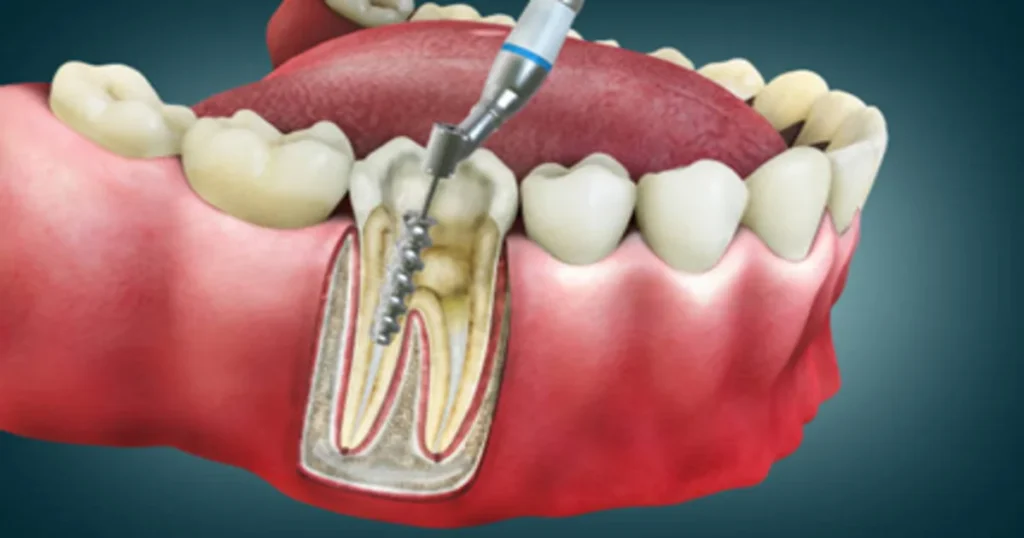
Have you experienced tooth sensitivity after a root canal therapy? If yes, we have to say that mild tooth sensitivity after root canal therapy is normal. While the infected dental pulp has been removed during treatment, the surrounding tissues still need time to heal. Many patients feel concerned when they experience pressure sensitivity or mild discomfort after endodontic treatment, but in most cases, this is part of the normal recovery process. By the way, what level of sensitivity is considered abnormal?
In this guide, we’ll explain why sensitivity happens after a root canal, what level of discomfort is expected, how long it typically lasts, and when you should contact your dentist.


Why Tooth Sensitivity Can Happen After Root Canal Therapy?
Even though the nerve inside the tooth has been removed, the structures around the tooth remain alive and responsive. Healing tissues can temporarily react to treatment.
Inflammation in Surrounding Tissues
Root canal therapy removes infected pulp tissue from inside the tooth, but the ligaments and bone around the root may remain inflamed. This inflammation, especially if there was an infection before treatment, can cause temporary tenderness when biting or chewing.
The body’s healing response takes time, particularly in cases where infection has spread beyond the pulp into surrounding bone.
Response After Nerve Removal
Although the nerve has been removed, the periodontal ligament surrounding the tooth still contains nerve fibres. These tissues can remain sensitive for several days after treatment, especially if the infection was significant or the procedure required multiple cleaning passes inside the canal.
Bite Pressure and Occlusion
Sometimes after treatment, the tooth may feel slightly “high” when biting down. Even minor bite imbalances can cause pressure sensitivity. This is easily corrected during follow-up visits. Sensitivity under pressure is more common before the tooth receives its final dental crown, which restores strength and balance.
Read more: CDCP Root Canal Coverage
What Level of Sensitivity Is Normal?
Mild to moderate discomfort when chewing is common for several days after root canal therapy. Patients may notice:
- Tenderness when biting
- Slight throbbing
- Sensitivity to pressure
- Mild swelling or gum tenderness
This discomfort typically improves steadily. Over-the-counter anti-inflammatory medication usually manages symptoms effectively. The tooth should not be extremely painful, nor should pain worsen over time.
Read more: Common Signs You Need a Root Canal
Experiencing Lingering Sensitivity After a Root Canal?
Schedule a follow-up at Wilson East Dental Care for expert evaluation and reassurance. Call us or book online today.
Signs That Sensitivity May Indicate a Problem
While some sensitivity is normal, certain symptoms require prompt evaluation:
- Severe or increasing pain several days after treatment
- Swelling of the face or gums
- Persistent throbbing that does not improve
- Pain that disrupts sleep
- Visible pus or drainage
- Fever or general illness
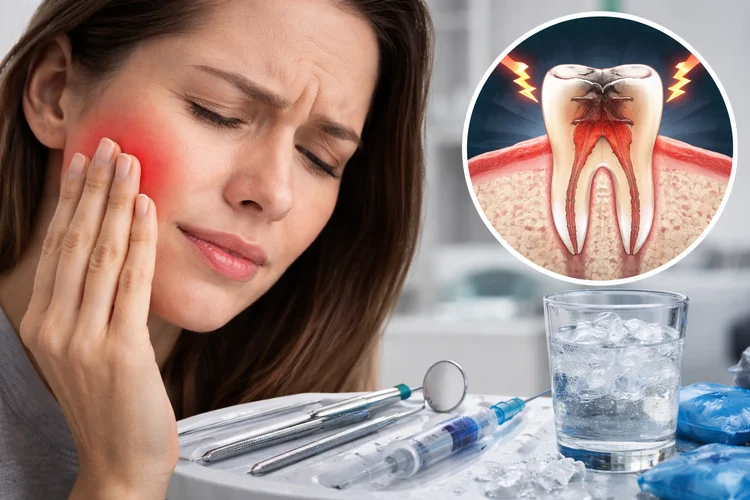
These signs may indicate persistent infection, reinfection, or the need for further endodontic treatment. In such cases, prompt assessment, especially through emergency dental care, is important.
How Long Should Sensitivity Last?
Most post-treatment sensitivity improves within 3 to 7 days. In more complex cases involving deep infection or bone inflammation, mild pressure sensitivity may last up to two weeks.
Once the final dental crown is placed, the tooth typically feels stronger and more stable. If discomfort continues beyond two weeks without improvement, further evaluation is recommended.
Regular dental checkups after restorative treatment help ensure healing is progressing properly.
When to Contact Your Dentist
Contact your dentist if pain intensifies rather than improves, swelling develops, or chewing becomes increasingly difficult. Persistent sensitivity could indicate residual infection, a missed canal, or a crack in the tooth structure.
Early follow-up prevents complications and ensures the long-term success of root canal therapy. Most issues are easily corrected when addressed promptly.
According to a report by Sensodyne:
“If you experience severe or long-lasting tooth sensitivity to hot or cold, or experience other sharp pains around your tooth, talk to your dentist about treatment options. Remember that mild discomfort or tooth sensitivity after a root canal is normal and can be managed with over-the-counter pain relief.”
Understand Tooth Sensitivity After Root Canal Therapy
Mild tooth sensitivity after root canal therapy is normal and usually temporary. Surrounding tissues need time to heal, even though the infected pulp has been removed. Most patients feel gradual improvement within a few days.
At Wilson East Dental Care, we monitor healing closely and ensure every root canal treatment is followed by proper restoration and evaluation. If your sensitivity feels unusual or prolonged, our team is here to assess and guide you toward a comfortable recovery.
The information provided in this article is for educational and informational purposes only and is not a substitute for professional dental advice. If you experience severe or prolonged tooth sensitivity, swelling, or any unusual symptoms after a root canal, please contact your dentist or a licensed dental clinic immediately. This article does not assume any responsibility for diagnosis or treatment.
FAQ
-
Is it normal to feel pain when chewing after a root canal?
Yes, mild pressure sensitivity is common for a few days as surrounding tissues heal.
-
How long does sensitivity last after root canal therapy?
Most discomfort resolves within one week, though mild tenderness can last up to two weeks in some cases.
-
Can a root canal fail if sensitivity continues?
Persistent or worsening pain may signal reinfection or incomplete healing and should be evaluated by your dentist.
Have you experienced sensitivity after a root canal?
Share your questions below
We’re here to help clarify what’s normal and what isn’t.