
Many patients want straighter teeth but wonder if Invisalign is their only option. Fortunately, several alternatives exist, ranging from professional in-office systems to at-home aligners, each with unique advantages, drawbacks, and costs. Understanding these options and knowing the best Invisalign alternatives allows patients to make informed decisions about their orthodontic care.
In this article, we’ll compare the main Invisalign alternatives, including ClearCorrect, Byte, SmileDirectClub, and traditional braces, and explore their cost differences, treatment speed, convenience, and effectiveness. We will also provide guidance on selecting the most suitable solution for your specific needs.

Why Consider Invisalign Alternatives?
While Invisalign is a popular choice for clear aligner therapy, it is not suitable for every patient. Some individuals may have some issues Invisalign process:

Limitations of Invisalign
Invisalign is highly effective for mild to moderate orthodontic cases, but it has limitations that patients should be aware of. It may not adequately address severe crowding, deep overbites, crossbites, or rotated teeth. Success relies heavily on patient compliance, requiring aligners to be worn 20–22 hours per day. Missed wear or improper usage can extend treatment timelines and reduce effectiveness. Additionally, costs for Invisalign can be significant, especially if multiple refinements or additional trays are required. Patients with complex bite issues or seeking faster solutions may benefit from exploring alternatives such as ClearCorrect, Byte, or traditional orthodontic treatments, which can offer more tailored approaches and in-office supervision.
Cost Factors and Accessibility
Invisalign treatment can be expensive and may not be fully covered by insurance. Factors such as case complexity, number of aligners required, dental office fees, and geographic location influence the overall cost. Some patients may find it challenging to afford the full price, while others may prefer options that provide more rapid results. Alternatives like ClearCorrect, Byte, or SmileDirectClub can offer similar cosmetic outcomes at a lower cost, depending on the severity of misalignment. Professional oversight through a licensed dentist ensures that treatment is safe and effective, while at-home aligners offer greater convenience and reduced office visits, making orthodontic care more accessible for busy adults or seniors.
This is also a helpful quote by the Healthline website:
“No matter how you choose to get your invisible braces, you’re committing to daily use for 3–12 months or longer and using a retainer in the months and years after that. Make sure you’re ready for this daily commitment and that you trust the doctor and company you’re working with.”
ClearCorrect
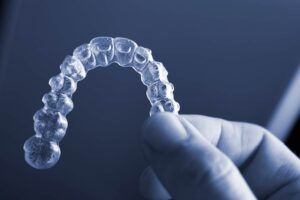
ClearCorrect is a professional, in-office clear aligner system that functions similarly to Invisalign. Customized trays are created to gradually shift teeth, making it suitable for mild to moderate orthodontic cases. Because treatment is supervised by a licensed dentist, patients receive guidance, adjustments, and monitoring throughout their treatment, reducing the risk of complications. Costs are often slightly lower than Invisalign, providing a more affordable yet reliable professional alternative. Many patients combine ClearCorrect with other cosmetic treatments, such as veneers or teeth whitening, to enhance the overall aesthetic of their smile while correcting alignment issues. Also, don’t forget that Invisalign can help your smile, just like the alternatives.
Byte Aligners: Faster Treatment Claims
Byte Aligners are an at-home clear aligner system that emphasizes a shorter treatment timeline, often utilizing a combination of high-frequency vibration technology and pre-designed trays. While convenient and marketed as fast, patients should ensure that a licensed dentist oversees their treatment to avoid complications and ensure that their teeth move safely. Byte is ideal for mild alignment issues, but more complex cases may still require professional intervention through orthodontic services.
SmileDirectClub and Other At-Home Aligners
SmileDirectClub and similar at-home aligner programs offer patients the convenience of remote treatment and a lower upfront cost. These services provide impression kits or digital scans to produce custom trays, but they lack regular in-office monitoring, which can limit treatment for moderate to severe misalignments. Patients should consider the trade-offs between convenience and treatment supervision, particularly if they have bite or crowding issues. For complex cases, combining remote aligners with professional dental guidance or transitioning to traditional braces may be necessary to achieve optimal results while maintaining oral health.
Traditional Braces as a Proven Alternative
Traditional braces remain the gold standard for treating complex orthodontic issues. Metal, ceramic, and lingual options can effectively address severe crowding, misaligned bites, and rotational problems with predictable results. While less discreet than clear aligners, braces provide precise control over tooth movement. Many patients enhance their results with cosmetic dentistry services after wearing braces, including veneers or teeth whitening, to create a straighter, aesthetically pleasing smile while maintaining long-term oral health. Braces are particularly suitable for patients with significant bite correction needs, providing both functional and cosmetic benefits.
Read more: Invisalign vs braces
How to Choose the Right Alternative for You
Choosing the best Invisalign alternative depends on several factors:
- Severity of alignment issues: Mild cases may be suitable for at-home aligners, while severe misalignments often require braces.
- Budget and insurance coverage: Consider co-payments, private insurance, and whether partial coverage is available.
- Treatment duration: Faster systems, such as Byte, may appeal to those seeking quick results, but long-term effectiveness should not be compromised.
- Professional supervision: Aligners provided through a dental office offer guidance and adjustments that at-home systems may lack.
Consulting with a licensed dentist or orthodontist ensures the safest, most effective approach, and may allow a combination with cosmetic treatments like smile makeovers or dental veneers for optimal results.

Comparing Costs
To help patients make an informed choice, here’s a comparison of costs for the most common Invisalign alternatives:
When choosing an orthodontic treatment, cost is often a major consideration. The table below summarizes estimated price ranges, treatment supervision, and typical duration for Invisalign alternatives. Please note that actual costs may vary depending on the case complexity, location, and additional dental services, such as teeth whitening.
| Option | Typical Cost Range (CAD) | Supervision | Typical Duration | Notes |
|---|---|---|---|---|
| Invisalign | $3,500 – $8,000 | In-office orthodontist | 12–24 months | Highly effective, discreet; good for mild to moderate cases |
| ClearCorrect | $3,000 – $7,000 | In-office dentist | 12–24 months | Similar to Invisalign, slightly lower cost |
| Byte | $1,900 – $2,500 | Remote dentist oversight | 4–6 months | Fast treatment claims, limited to mild cases |
| Smile Direct Club | $1,800 – $2,400 | Remote dentist oversight | 4–12 months | At-home convenience; not ideal for complex bite issues |
| Traditional Metal Braces | $2,500 – $7,000 | In-office orthodontist | 18–36 months | Proven for complex cases; visible but highly effective |
| Ceramic Braces | $3,500 – $8,000 | In-office orthodontist | 18–36 months | Less visible than metal braces; higher cost |
Costs vary widely depending on the treatment type, complexity, and level of supervision. Professional aligners, such as Invisalign and ClearCorrect, are more expensive but offer in-office monitoring for safety and accuracy. At-home systems like Byte and SmileDirectClub are more affordable and convenient, but may not address complex orthodontic needs. Traditional braces, including ceramic options, remain the most versatile and predictable solution for severe cases.
Explore the best Invisalign alternatives for your smile
Explore the best Invisalign alternatives for your smile with guidance from Wilson East Dental Care.
Schedule an appointment online to start your consultation today.
Move Forward With the Best Invisalign Alternatives for Your Smile
Choosing an Invisalign alternative depends on your specific dental needs, the complexity of your treatment, your budget, and your preference for professional supervision. Each option, from ClearCorrect and Byte to traditional braces, has unique advantages and trade-offs that should be carefully considered. Perhaps, in your case, knowing the Invisalign benefits can help you change your mind.
At Wilson East Dental Care, we guide patients through every step of the orthodontic decision-making process. Our team evaluates your bite, alignment goals, and cosmetic preferences to recommend the most effective solution, whether it’s professional aligners, braces, or a combination with cosmetic dentistry services. You can rely on us to ensure safe, effective, and personalized orthodontic care tailored to your lifestyle.
FAQ
Here are answers to common questions about Invisalign alternatives to help you choose the best treatment.
-
What is the cheapest alternative to Invisalign?
At-home aligners like Byte or SmileDirectClub often have lower upfront costs compared to Invisalign, but suitability depends on the complexity of your alignment issues.
-
Are at-home aligners safer than Invisalign?
When used correctly and monitored by a dentist, some at-home aligners can be safe for mild cases. Complex issues still require professional supervision.
-
Which option is faster: Invisalign or Byte?
Byte claims shorter treatment times using advanced technology, but actual speed depends on individual alignment needs and compliance.
-
Do braces still work better than clear aligners?
For moderate to severe misalignments or bite issues, traditional braces often provide more predictable results than clear aligners.
-
Can insurance cover Invisalign alternatives?
Coverage varies by plan. Many dental insurance policies offer partial coverage for professional aligners and, in some cases, traditional braces.
Have you tried Invisalign or another clear-aligner system?
Share your experience or questions in the comments below, and our dental experts will provide advice on the safest and most effective options.