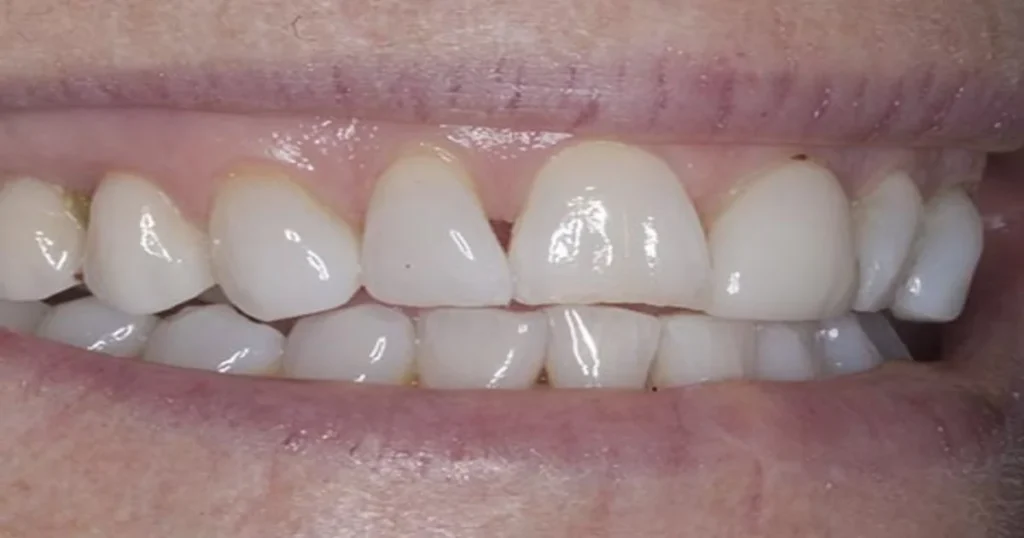
A loose gum flap between your teeth can be an alarming discovery. This condition may indicate gum disease, gum recession, or tooth movement, but it’s important not to panic. Understanding the causes, recognizing early symptoms, and seeking appropriate treatment will help you prevent further oral health complications.
In this guide, we’ll explain what causes a loose gum flap, how to spot symptoms, and the best treatment options. We’ll also provide tips to help prevent gum issues in the future, so you can maintain a healthy, confident smile.

What Causes a Loose Gum Flap Between Teeth
Loose gum flaps typically develop as a result of irritation, infection, or damage to the gum tissue. The underlying causes vary, so understanding them will help you take the right steps to protect your oral health.
Gum Disease and Periodontal Infection
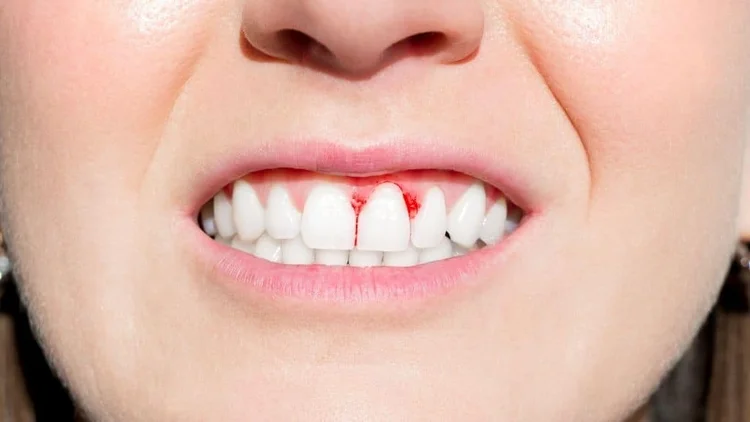
The most common cause of a loose gum flap is gum disease, particularly gingivitis or periodontitis. These conditions cause gum inflammation, leading to the formation of periodontal pockets. Over time, the gums may separate from the teeth, creating loose areas of gum tissue. If left untreated, gum disease can result in gum recession, tooth mobility, and even tooth loss.
Poor Oral Hygiene Leading to Gum Recession
Inadequate brushing and flossing habits allow plaque to accumulate along the gumline, which hardens into tartar. This buildup causes irritation and can lead to gum recession, in which the gums begin pulling away from the teeth, exposing the roots, and creating loose, inflamed gum areas. Professional teeth cleanings help remove plaque and tartar, preventing this progression.
Impact of Tooth Movement or Shifting
As teeth shift due to orthodontic treatment, tooth extractions, or natural changes over time, the gum tissue may loosen. This is especially common when teeth move unexpectedly after orthodontic treatment or dental implants. This shifting can also cause gum inflammation or the formation of small gum flaps as the tooth adjusts its position.
Read more: The Best Toothpastes
Common Symptoms of a Loose Gum Flap Between Teeth
Loose gum tissue is usually accompanied by other noticeable signs that indicate a need for dental care. Paying attention to these symptoms can help you catch the problem early.
Bleeding or Tenderness When Brushing
If brushing your teeth causes your gums to bleed, it may be a sign that the gum tissue is inflamed or infected. Bleeding gums are a common symptom of gingivitis and other early stages of gum disease. It’s important to maintain proper oral hygiene and avoid brushing too hard to avoid further damage.
Swelling Around the Loose Gum Flap
Swelling near the gum flap indicates irritation or infection. This could be a sign of periodontal disease, which needs professional care to prevent further gum recession and tooth infection. If swelling is persistent or painful, contact your dentist for an evaluation.
Sensitivity to Temperature or Pressure
Exposed gum tissue or the roots of your teeth can lead to heightened sensitivity. If you notice discomfort when consuming hot or cold food or when biting down, it may indicate that your gums have receded and are no longer effectively protecting the tooth root. This is another sign that treatment may be needed.
Here is also what the Cleveland Clinic website says:
“Healthy gums are firm to the touch. They don’t bleed or swell. But periodontal disease can cause discolored (reddish or purplish), swollen, bleeding gums. Left untreated, gum disease can cause destruction of your underlying jawbone, leading to possible tooth loss.”

Treatment Options for a Loose Gum Flap
Depending on the severity of the issue, different treatment options are available to restore gum health and prevent further complications. Your dentist or periodontist will help determine the most appropriate approach for your condition.
Professional Cleanings and Gum Treatment
The first step in addressing a loose gum flap is often a professional cleaning, which removes plaque and tartar buildup. This treatment helps reduce inflammation, preventing the gum flap from becoming more exposed. Regular dental checkups help monitor your gum health and catch any issues before they escalate.
Scaling and Root Planing for Gum Disease
If gum disease is diagnosed, scaling and root planing may be required. This deep-cleaning procedure involves cleaning below the gumline to remove bacteria and smooth the root surfaces. This allows the gum tissue to reattach to the tooth, preventing further gum recession and tooth loss.
Surgery for Advanced Gum Recession
For more severe cases of gum recession, gum grafting or periodontal surgery may be needed. This procedure involves taking tissue from another part of your mouth or using synthetic grafts to cover the exposed tooth roots and restore gum coverage. This is particularly necessary if a significant portion of the root is exposed and cannot be treated non-invasively.
How to Prevent Future Gum Issues and Maintain Healthy Gums
Maintaining strong, healthy gums is essential for preventing further gum recession and complications like exposed tooth roots. Follow these tips for optimal gum health:
- Brush and floss daily with proper technique to remove plaque from the gumline.
- Avoid aggressive brushing to prevent gum irritation. Use a soft-bristled toothbrush.
- Visit your dentist regularly for professional cleanings and gum evaluations.
- Use an antibacterial mouthwash to reduce bacteria and prevent gum disease.
- Maintain a healthy diet rich in vitamins and minerals to support gum health.
- Address teeth grinding (bruxism) to avoid unnecessary pressure on teeth and gums.
If you notice signs of gum recession or exposed tooth roots, early intervention can prevent more serious issues down the line.
Concerned About A Loose Gum Flap Or Gum Recession?
Schedule a consultation at Wilson East Dental Care today. We offer personalized gum treatments, scaling and root planing, and restorative options. Call us or book your appointment online.
Find Relief From Loose Gum Flaps Today
A loose gum flap between teeth may initially seem alarming, but it is often manageable with timely treatment. Whether caused by gum disease, poor hygiene, or tooth movement, early professional care can prevent further complications like tooth infection or gum loss.
At Wilson East Dental Care, we provide comprehensive treatment for gum disease, periodontal pockets, and gum recession, helping you restore your smile and confidence. If you notice any signs of gum disease, our team is ready to provide personalized care and effective solutions.
FAQ
-
Can a loose gum flap heal on its own?
Mild cases of gum irritation may heal with improved oral care, but most cases require professional treatment, especially if gum disease is involved.
-
Is gum surgery always necessary for a loose gum flap?
Not always. Many cases can be treated with scaling, root planing, and gum care. Surgery is usually reserved for severe gum recession or significant tooth root exposure.
-
What oral care habits can prevent gum recession and loosening?
Brushing gently with a soft-bristled toothbrush, flossing daily, avoiding aggressive brushing, and maintaining regular dental checkups can prevent gum issues.
Have you noticed a loose gum flap or gum recession?
Share your experience or ask questions below
We’re here to help clarify your concerns and guide you toward a healthy smile.