There’s nothing quite as annoying, or sometimes painful, as experiencing food stuck in gums. Whether it’s a tiny seed, a stubborn piece of popcorn kernel, or a fibrous strand from your favourite meal, having food lodged between your teeth and gums can be more than just uncomfortable. It can pose a real threat to your oral health if not addressed properly. Many of us have experienced this common predicament, wondering how to get food out of gums safely without causing further damage.
At Wilson East Dental Care, we understand these concerns. This comprehensive guide will walk you through safe and effective ways to remove trapped food, explain why it happens, discuss the potential dangers of leaving it, and provide crucial advice on when it’s time to seek professional help. Our goal is to empower you with the knowledge to handle this common issue and maintain a healthy, happy smile.

Why Food Gets Stuck in Your Gums
Understanding why food gets stuck in your gums is the first step to preventing and effectively removing it. It’s a common problem, often influenced by several factors related to your oral anatomy and dietary habits.
- Gaps Between Teeth: If you have natural spaces or slight gaps between your teeth, these can act as perfect traps for food particles. Even small gaps can be problematic.
- Gum Recession: When your gums pull back or recede, they expose more of the tooth root and create small pockets or spaces where food can easily accumulate, leading to food in gum pocket issues.
- Periodontal Pockets: Advanced gum disease can lead to the formation of deeper pockets around your teeth. These pockets are prime locations for food, plaque, and bacteria to gather, making it very difficult to clean effectively at home.
- Certain Foods: Some foods are notorious for getting stuck. Fibrous meats, stringy vegetables, seeds, nuts, and especially popcorn kernels gums often find their way into tight spaces and become deeply embedded.
- Dental Work: Sometimes, older fillings, crowns, or bridges might not fit as snugly as they once did, creating tiny ledges or gaps where food can become trapped.
- Crowded or Misaligned Teeth: Teeth that are crooked or too close together can also create tight spots that are hard to clean and prone to trapping food.

Immediate Dangers of Trapped Food
While it may cause immediate discomfort, leaving food stuck in the gums can lead to more serious oral health problems. It’s not just about the irritation; it’s about preventing potential damage to your gums and teeth. What happens if food stays in your gums? Here are the key dangers:
- Gum Inflammation (Gingivitis): Food particles, especially sugary or starchy ones, attract bacteria. These bacteria release acids and toxins that irritate your gums, leading to inflammation, redness, and swelling. This is the initial stage of gum disease.
- Risk of Infection and Abscess: Can food stuck in gums cause infection? Absolutely. If bacteria continue to thrive around the trapped food, they can penetrate deeper into the gum tissue, leading to a gum infection from food. This can escalate into a painful dental abscess, a pocket of pus that requires immediate professional treatment.
- Bad Breath (Halitosis): Decomposing food particles and the bacteria that feed on them produce foul-smelling gases, leading to persistent bad breath that even regular brushing might not resolve.
- Tooth Decay: When food is trapped against the tooth surface, it provides a constant source of fuel for bacteria to produce acid, eroding tooth enamel and leading to cavities.
- Damage to Gum Tissue: Prolonged pressure from a hard food particle can physically damage your gum tissue, potentially causing further recession or irritation.

Safe and Effective At-Home Removal Methods
When you have food stuck in your gums, your first instinct might be to use a toothpick or even your fingernail. However, these can often push the food further in or damage your delicate gum tissue. Here are safe and effective ways to remove trapped food at home:
1. The Power of Flossing
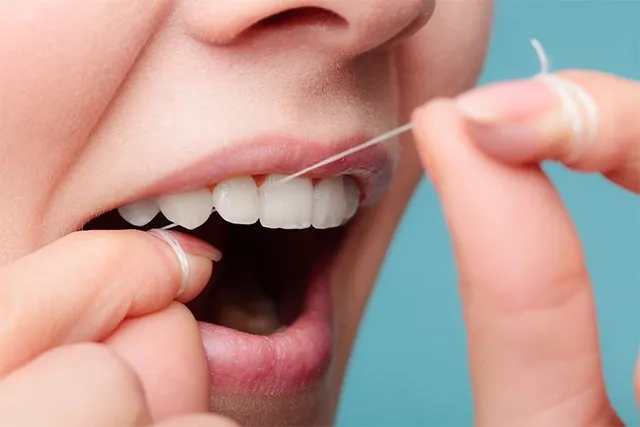
Dental floss is your best friend for removing food between teeth and gums. Use a fresh piece of floss, about 18 inches long, and wrap the ends around your middle fingers. Gently slide the floss between the affected teeth, curving it around the tooth in a “C” shape and moving it up and down. Be careful not to snap the floss against your gums, as this can cause irritation. For particularly stubborn pieces, try tying a knot in the floss to create more friction, or use a floss pick.
2. Water Flossers: Your High-Tech Helper
A water flosser (oral irrigator) is excellent for dislodging food particles and cleaning below the gum line. It uses a stream of pulsating water to rinse away debris. Fill the reservoir with lukewarm water, place the tip in your mouth, and direct the stream at the area where the food is stuck. Start with a low-pressure setting and gradually increase if needed. This is especially effective for food in gum pocket areas.
3. Rinse, Rinse, Rinse!
Vigorous rinsing can often wash away loose food particles. Swish warm salt water in your mouth for 30 seconds. The salt helps reduce inflammation and can draw out some debris. Alternatively, use an antiseptic mouthwash, which can also help kill bacteria around the trapped food.
4. Gentle Brushing
Sometimes, a soft-bristled toothbrush can gently sweep away food particles. Angle the brush at 45 degrees towards the gum line and use small, circular motions. Do not brush aggressively, as this can push the food deeper or harm your gums.
5. Interdental Brushes
If you have larger gaps between your teeth, interdental brushes can be very effective. These tiny brushes come in various sizes and can clean spaces that regular floss might miss. Gently insert the brush into the space and move it back and forth to dislodge the food.
When At-Home Remedies Aren’t Enough
While the methods above are often successful, there are times when you simply can’t remove the food yourself, or when the problem indicates a deeper issue. Knowing when to seek professional help is crucial for preventing serious complications.
You should contact a dentist if you experience any of the following:
- Persistent Pain or Discomfort: If the pain doesn’t subside after a day or two, even after trying home remedies, it’s a sign that the food might be deeply embedded or causing significant irritation.
- Swelling or Redness: Visible swelling, redness, or tenderness in the gum area around where the food is stuck indicates inflammation or a potential infection.
- Pus or Foul Taste: The presence of pus, a bad taste in your mouth, or persistent bad breath despite good hygiene are strong indicator of a gum infection from food.
- Bleeding Gums: While some bleeding during flossing is normal if you have gingivitis, excessive or prolonged bleeding when trying to remove food can be a warning sign.
- Fever or General Malaise: In rare cases, a severe infection can cause systemic symptoms like fever. Seek immediate dental attention if this occurs.
- Deeply Embedded Food: If you’ve tried all the at-home methods and the food (especially something like a popcorn kernel gum) remains stubbornly lodged, a dentist can safely remove it.
Get Back to Your Comfortable Smile
Don’t let discomfort linger! | If you’re struggling with persistent discomfort or suspect an infection, it’s time to see a professional. Book Your Appointment Today!
How Wilson East Dental Care Can Help
When you visit Wilson East Dental Care for food stuck in your gums, our experienced team will provide gentle and effective care:
- Professional Examination: We will thoroughly examine the affected area to determine the exact location and nature of the trapped food and assess for any signs of infection or damage.
- Safe Removal: Using specialised dental instruments, we can carefully and painlessly remove deeply embedded food particles without harming your gums or teeth.
- Deep Cleaning (Scaling and Root Planing): If the trapped food has led to gum inflammation or the formation of periodontal pockets, we may recommend a professional dental cleaning to remove plaque and tartar buildup below the gum line.
- Addressing Underlying Causes: We will identify any underlying factors contributing to the problem, such as gum recession, ill-fitting dental work, or developing gum disease, and recommend appropriate treatments. This might include adjusting old fillings, considering orthodontic solutions for gaps, or providing gum therapy.
- Preventive Advice: Our team will offer personalised advice on improving your oral hygiene routine and preventing food from getting stuck in your gums in the future.
Conclusion
Having food stuck in gums is a common and often irritating experience, but it’s one that can lead to serious oral health issues if ignored. In this article, we went through the causes and dangers of this issue. As Colgate truly states, other factors, like what you eat, are also important in preventing this problem. But after happening, knowing how to get food out of gums safely, and recognising when to seek professional help, can protect your oral health.
Remember, your proactive efforts in daily oral hygiene and regular visits to your dentist are your best defence against food particles causing trouble. If you’re in Hamilton — Ancaster and are struggling with food stuck in your gums, or if you have any concerns about your oral health, don’t hesitate to contact Wilson East Dental Care. Our dedicated team is here to provide the expert care you need to keep your smile healthy and comfortable.
FAQ
What should I do immediately if I have food stuck in my gums?
Start by gently rinsing your mouth with warm water or salt water. Then, carefully try to dislodge the food with dental floss. If that doesn’t work, a water flosser or interdental brush can be very effective.
Can food stuck in gums cause an infection?
Yes, absolutely. If food particles remain trapped, they provide a breeding ground for bacteria, which can lead to gum inflammation (gingivitis) and eventually a more serious gum infection or abscess.
How do I know if the trapped food has caused an infection?
Signs of infection include persistent pain, swelling, redness, tenderness, pus discharge, a foul taste in your mouth, or fever. If you notice any of these symptoms, contact Wilson East Dental Care immediately.
Is it safe to use a toothpick to remove food stuck in my gums?
While toothpicks can be used carefully, they can also push food deeper, damage your gums, or even break off, creating a new problem. Dental floss and a water flosser are generally safer and more effective alternatives.
What if I can’t get the food out myself?
If you’ve tried at-home methods and the food is still stuck, or if you’re experiencing pain or swelling, it’s best to call your dentist. Wilson East Dental Care can safely remove the food and check for any underlying issues.
How can I prevent food from getting stuck in my gums in the future?
Regular and thorough oral hygiene (brushing, flossing, mouthwash), using a water flosser, and attending routine dental check-ups are key. Addressing any gaps, gum recession, or ill-fitting dental work with your dentist will also help.