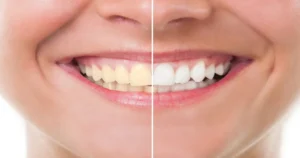
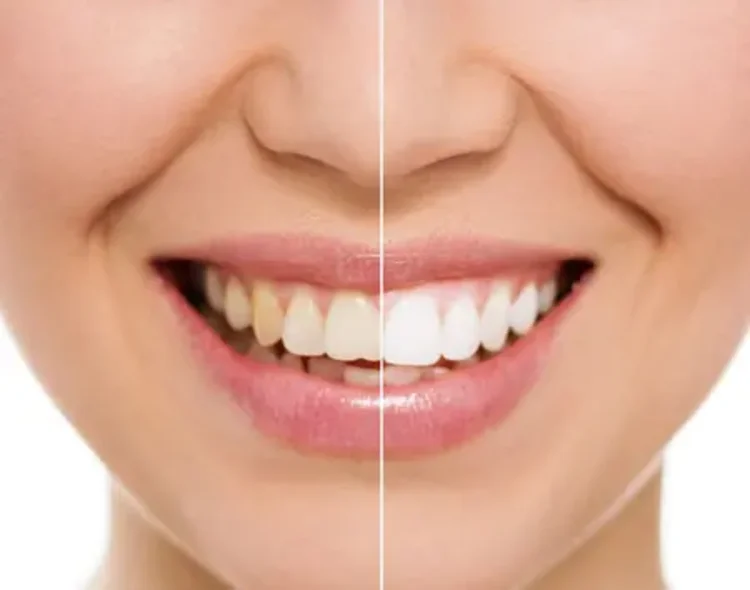
In most cases, dental insurance does not cover teeth whitening. Whitening is typically classified as a cosmetic procedure rather than a medically necessary treatment, meaning it falls outside standard dental benefits plans.
Patients often assume that because whitening improves their smile, their insurance will cover some of the cost. However, insurance policies focus primarily on preventive and restorative care. In this article, we’ll explain how insurers classify whitening, when rare exceptions may apply, how to reduce costs, and how professional whitening compares to over-the-counter options.
How Dental Insurance Classifies Teeth Whitening
Dental insurance providers categorize procedures based on medical necessity rather than aesthetic improvement.
Cosmetic vs Medically Necessary Procedures
Most dental benefits plans distinguish between procedures that restore oral health and those that enhance appearance. Treatments such as fillings, root canal therapy, or treatment for gum disease are considered necessary because they address infection or structural damage. In contrast, teeth whitening improves smile brightness but does not treat disease, so it falls under cosmetic dentistry.
Why Most Plans Exclude Whitening Coverage
Insurance providers aim to cover procedures that prevent pain, infection, or tooth loss. Since whitening does not address dental pulp damage, decay, or gum disease, it is labelled elective. Coverage limits typically apply only to diagnostic, preventive, and restorative treatments.
Exceptions and Special Cases
In rare situations, partial coverage may apply if discoloration is linked to trauma, medication, or a developmental condition and whitening is part of a broader restorative treatment plan. Even in these cases, preauthorization is usually required.
Situations Where Insurance May Partially Contribute
Although teeth whitening is typically excluded from coverage, certain related circumstances may allow partial contribution under restorative or medically necessary classifications.
- Discoloration caused by dental trauma:
If a tooth darkens after injury, insurance may cover diagnostic imaging or restorative procedures used to address internal damage. Whitening performed as part of structural correction may be evaluated differently. - Internal bleaching after root canal therapy:
When discoloration occurs following root canal therapy, internal whitening may be considered part of restorative care rather than purely cosmetic treatment. - Whitening included in broader cosmetic dentistry treatment planning:
If whitening is coordinated alongside restorative procedures such as crowns or structural repair under a comprehensive cosmetic dentistry plan, insurance may contribute toward the medically necessary components. - Severe discoloration due to developmental or medical conditions:
In rare cases, if staining is linked to medication exposure or enamel defects that impact oral function, limited coverage may be considered with proper documentation and preauthorization.
While whitening itself is rarely covered, related restorative procedures may qualify depending on your benefits plan.
The Investopedia says:
“Most dental insurance policies do not cover any costs for cosmetic procedures, such as teeth whitening, tooth shaping, veneers, and gum contouring. Because these procedures are intended to simply improve the look of your teeth, they are not considered medically necessary and must be paid for entirely by the patient.”
Read more: Tooth whitening options
Alternatives to Reduce Teeth Whitening Costs
If dental insurance does not cover whitening, several practical strategies can help manage costs while still improving smile brightness.
- Start with professional teeth cleaning:
Surface stains caused by plaque and tartar often respond dramatically to professional teeth cleaning, sometimes reducing or eliminating the need for whitening altogether. - Choose dentist-supervised take-home whitening kits:
Custom trays prescribed by your dentist offer stronger results than store-bought products while remaining more affordable than in-office treatments. - Coordinate whitening with restorative work:
If you are planning veneers, crowns, or other aesthetic improvements, timing whitening strategically avoids repeated procedures and reduces overall cosmetic expenses. - Maintain routine dental checkups:
Regular dental checkups prevent heavy stain buildup, helping you maintain brightness longer and reducing the need for frequent whitening sessions. - Discuss payment options:
Many dental offices offer installment plans for elective procedures, making cosmetic treatment more financially manageable.
Comparing Professional Whitening vs Over-the-Counter Options
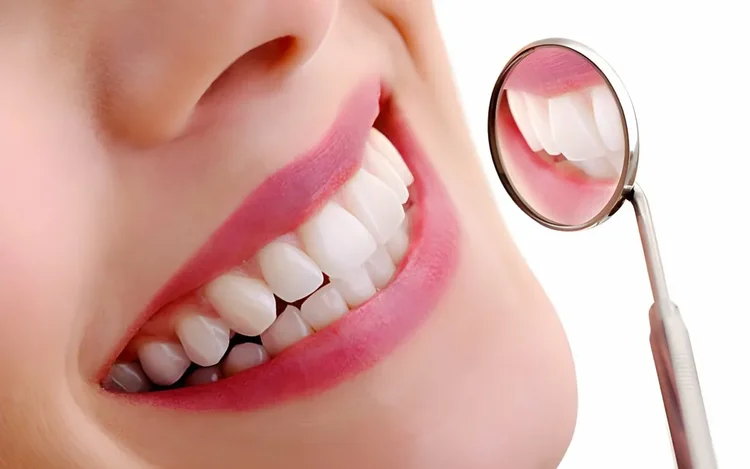
Understanding the difference between professional and store-bought whitening helps patients make informed decisions.
| Feature | Professional In-Office Whitening | Take-Home Kits from Dentist | Over-the-Counter Products |
|---|---|---|---|
| Strength of whitening agent | High concentration, fast results | Moderate concentration | Lower concentration |
| Speed of results | Immediate or same day | Gradual over 1–2 weeks | Slower, may take several weeks |
| Safety monitoring | Supervised by dental professional | Guided by dentist | No supervision |
| Custom fit | Not applicable | Custom trays | Generic trays or strips |
| Risk of sensitivity | Managed professionally | Lower, monitored | Higher if misused |
| Cost range | Higher upfront cost | Moderate | Lower upfront cost |
Professional whitening offers stronger, faster, and safer results compared to over-the-counter products.
How to Confirm Coverage With Your Insurance Provider
Before scheduling whitening, follow these steps to verify coverage and avoid unexpected expenses:
- Review your dental benefits booklet or online portal:
Look for sections labeled “cosmetic dentistry,” “elective procedures,” or “exclusions.” - Contact your insurance provider directly:
Ask whether whitening is ever covered under medical necessity or trauma-related clauses. - Ask about annual and lifetime maximums:
Even if whitening is excluded, confirm how much restorative coverage remains under your plan. - Request preauthorization if applicable:
In rare medically related cases, preapproval may clarify partial eligibility. - Ask your dental office to submit a predetermination request:
This provides written confirmation from your insurance company before treatment begins.
Taking these steps ensures clarity about your financial responsibility and helps you plan confidently.
Considering Teeth Whitening and Unsure About Insurance Coverage?
Book a consultation at Wilson East Dental Care to explore safe, professional whitening options and transparent pricing. Call us or schedule your appointment online today.
Know What To Expect From Teeth Whitening Coverage
Dental insurance typically does not cover teeth whitening because it is considered a cosmetic procedure. While there are rare exceptions in medically related cases, most patients should expect to pay out of pocket.
At Wilson East Dental Care, we provide professional whitening options tailored to your goals and budget. Whether you choose in-office whitening or supervised take-home kits, our team ensures safe, predictable results and helps you understand all available financial options.
FAQ
-
Is teeth whitening ever covered by dental insurance?
Rarely. Most plans classify whitening as cosmetic and exclude it from coverage.
-
Why is whitening considered cosmetic?
Because it improves appearance but does not treat disease or restore function.
-
Can flexible spending accounts be used for whitening?
Some benefit accounts may allow reimbursement, but approval depends on plan rules. Always confirm with your provider.
Have questions about whitening costs or insurance?
Share them below
We’re happy to help clarify your options.