
A cavity on a front tooth is especially concerning because it affects appearance, comfort, and confidence. Front teeth are essential for smiling, speaking, and biting into food, so even small areas of decay can feel urgent. The good news is that front-tooth cavities are treatable, and the earlier they’re diagnosed, the easier they are to fix with the help of dental filling services.
In this article, we’ll explain the causes, symptoms, treatment options, and prevention strategies for front-tooth cavities so you know exactly what to expect and when to seek care.

What Causes a Cavity on a Front Tooth?
Front-tooth cavities begin when enamel breaks down, and bacteria produce acids that weaken the surface. Although these teeth are easier to clean, they are also thinner and more vulnerable to erosion from daily habits, diet, and hygiene.
Weak Enamel and Early White-Spot Lesions
Front teeth have naturally thinner enamel, making them more sensitive to early decay. When minerals are lost from the tooth surface, you may see chalky white spots, an early warning sign that decay has started. These lesions can progress quickly if not addressed with proper fluoride treatment or remineralization therapy, and this happens a lot because many people have no idea about the benefits of fluoride.

Previous Trauma to a Front Tooth
A chipped or cracked front tooth exposes the inner layers to bacterial activity. Even small cracks from accidental bites, sports injuries, or grinding can weaken enamel and increase the risk of cavities.
Sugar Exposure, Acids, and Poor Cleaning Habits
Sugary drinks, frequent snacking, acidic beverages, and inconsistent brushing create the perfect environment for acid-producing bacteria. These acids weaken enamel and eventually create small pits or holes. Poor cleaning around the gumline, mainly if plaque accumulates, can accelerate decay, even on front teeth.
Keep in mind that good oral hygiene, routine dental checkups, and professional cleanings help remove plaque that home care often misses.
Dry Mouth and Reduced Saliva Protection
Saliva plays a crucial protective role by neutralizing acids and washing away bacteria. When dry mouth occurs due to medications, dehydration, or aging, enamel loses its natural defense, making front teeth highly vulnerable.
Acidic Diet and Frequent Snacking
Acidic foods like citrus, carbonated drinks, wine, and sports drinks soften enamel. When combined with frequent snacking, teeth experience repeated acid attacks that accelerate enamel breakdown on front surfaces.
Gum Recession Exposing Vulnerable Areas
When gums recede, the root surface becomes exposed. Since roots lack protective enamel, decay can develop rapidly at the margin where enamel meets the root.
How to Know If a Cavity Is Forming on a Front Tooth
Front-tooth cavities often show early, visible signs. Patients may notice white spots, light brown discoloration, or a slight shadow near the edge or gumline. Sensitivity to cold or sweet foods is another early indicator. If the cavity progresses, the area may darken, become rough, or feel slightly chipped.
Early detection during dental visits helps avoid deeper decay that could require more complex restorative dentistry, such as dental bonding, composite fillings, or, in advanced cases, treatment similar to early root canal therapy.
Read more: Why regular dental visits are essential
Treatment Options for Front Tooth Cavities
Treatment depends on how early the cavity is found. Because front teeth are highly visible, dentists use aesthetic solutions that blend naturally with surrounding enamel.
Composite Fillings
Tooth-colored composite resin is the most common and most aesthetic treatment. It restores shape, strength, and appearance while blending seamlessly with the natural tooth.
Dental Bonding
For small to moderate front-tooth cavities, bonding reshapes the tooth with a cosmetic layer of resin. It’s minimally invasive, preserves natural enamel, and simultaneously improves tooth appearance.
Advanced Treatments for Front Tooth Cavities
If decay is deep but still treatable without a crown, layered composite restorations can maintain strength and structure. For severe cases involving nerve exposure, the tooth may require a root canal, followed by a cosmetic restoration to maintain appearance.
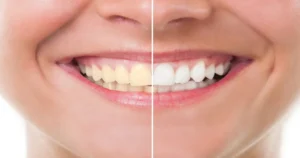
This is also where aesthetic follow-up treatments, such as professional teeth whitening or veneers, may be recommended if the surrounding teeth need shade adjustment.
Besides that, most users with real experience on a Quora thread have shared their stories and recommended fillings as the best option for longevity and quality, from young people to seniors who have been dealing with cavities on their front teeth.
Read more: How stress could impact your smile
Need Help for Cavity on Your Front Tooth?
If you’ve spotted a cavity, or even a small white spot, on a front tooth, don’t wait. Early treatment preserves enamel and keeps your smile looking natural. Wilson East Dental Care offers gentle, aesthetic solutions and preventive care to stop decay before it spreads.
Can a Front Tooth Cavity Be Reversed Early?
Reversing a front-tooth cavity is only possible in its earliest stage, before a physical hole forms. Understanding what can be reversed and what requires treatment helps protect the natural enamel and maintain a healthy, confident smile.
- White-spot lesions are the earliest sign of reversible decay: These chalky white patches indicate enamel demineralization without structural breakdown, meaning the tooth still has a chance to heal with the right care.
- Fluoride strengthens weakened enamel: Professional fluoride varnish or prescription pastes help rebuild lost minerals in early lesions, stopping progression before a cavity forms.
- Lifestyle adjustments support natural enamel repair: Reducing sugar intake, avoiding acidic drinks, improving brushing habits, and maintaining saliva flow all help the front surfaces of the teeth recover.
- Remineralizing agents enhance enamel recovery: Products with calcium, phosphate, or hydroxyapatite can reinforce weakened enamel and stabilize early areas of decay.
- A cavity with a physical hole cannot be reversed: Once the enamel surface has collapsed, the tooth cannot heal on its own, and restorative treatment becomes necessary.
- Untreated decay leads to visible cosmetic damage: Cavities on front teeth spread quickly due to thin enamel, which can result in dark spots, increased sensitivity, or deeper involvement requiring more extensive treatment.
- Regular professional monitoring prevents avoidable drilling: Early exams allow dentists to catch demineralization before it becomes structural decay, often avoiding fillings entirely when treated promptly.
Early-stage decay can often be stopped or reversed, but once a cavity forms, only professional restorative care can repair the damage. Acting early gives the best chance to preserve natural enamel and maintain the appearance of your front teeth.
Read more: How to floss properly

How to Prevent Future Cavities on Front Teeth
Preventing front-tooth cavities involves reinforcing enamel and reducing bacterial activity. Brushing twice a day with fluoride toothpaste, flossing daily, and limiting frequent sugar exposure all play a major role in protecting thin enamel on the front teeth. Using a soft toothbrush to avoid enamel erosion and maintaining professional cleanings supports long-term oral health.
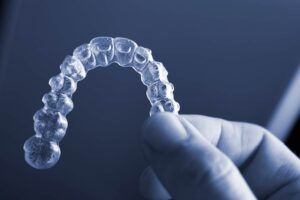
Patients undergoing orthodontic treatment, such as Invisalign or braces, should be especially vigilant, as plaque often collects around attachments and brackets, increasing the risk of front-tooth decay. Those with dry mouth, high sugar intake, or a history of cavities may benefit from fluoride varnish or prescription-strength toothpaste.
Steps to Take Now for a Cavity on a Front Tooth
A cavity on a front tooth may feel alarming, but prompt attention makes treatment simple, aesthetic, and highly effective. Understanding the causes and symptoms allows you to act early and protect your enamel before decay spreads.
At Wilson East Dental Care, we restore front teeth with natural-looking materials that maintain both function and appearance. Whether you need bonding, a small filling, or early intervention for white-spot lesions, our team can help you regain confidence in your smile. Call us to book an appointment for personalized care.
FAQ
Take a look at the most frequently asked questions below:
-
Why do cavities form on front teeth if they’re easier to clean?
Thin enamel, frequent sugar exposure, and dry mouth make front teeth more vulnerable, despite their easy accessibility.
-
Can early front-tooth cavities be reversed without drilling?
Only early white-spot lesions can be reversed. Once a cavity forms, it must be treated.
-
What’s the best treatment for a visible front tooth cavity?
Composite fillings or dental bonding are the most aesthetic and least invasive treatments.
-
Does a filling on a front tooth look noticeable?
No. Modern composite materials blend naturally with your tooth color and are virtually invisible.
-
Can whitening damage front teeth and cause cavities?
Whitening doesn’t cause cavities, but overuse can increase temporary sensitivity. It should be done under professional guidance.
Have you ever noticed a spot or sensitivity on a front tooth and wondered if it was a cavity?
Share your question or experience in the comments below